-
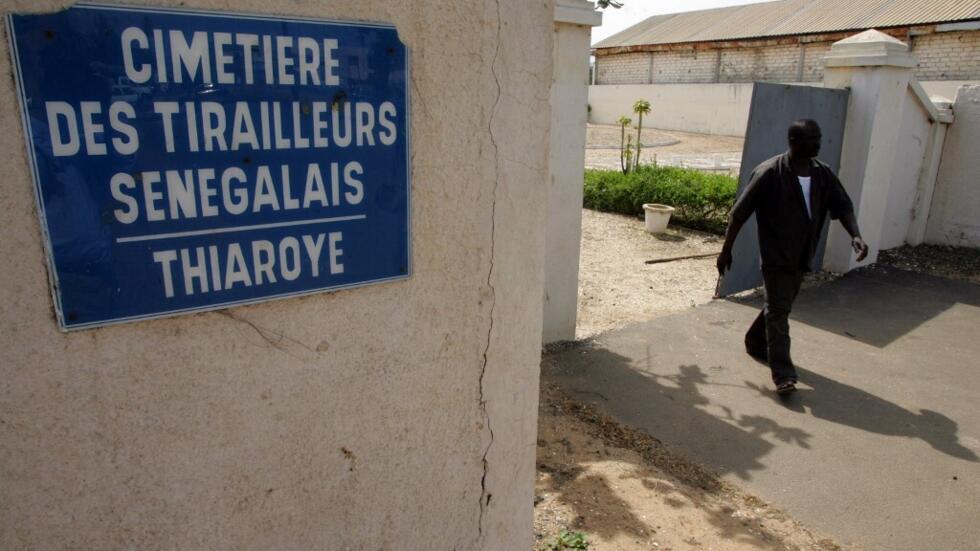
Demobilization Despite their crucial contributions to the war, African colonial soldiers returned home and faced systemic discrimination, receiving much less compensation for their efforts than their European counterparts. This reflected the racial inequalities of colonial rule. Many African soldiers returned home expecting fair treatment, pensions, or land grants. Instead, they found unemployment and minimal support. The refusal to pay African veterans their promised wartime wages was not only an administrative failure, but also an example of racial inequalities embedded in colonial military structures. Demobilization typically involved a small war gratuity or severance, but records reveal that African veterans received far…
-
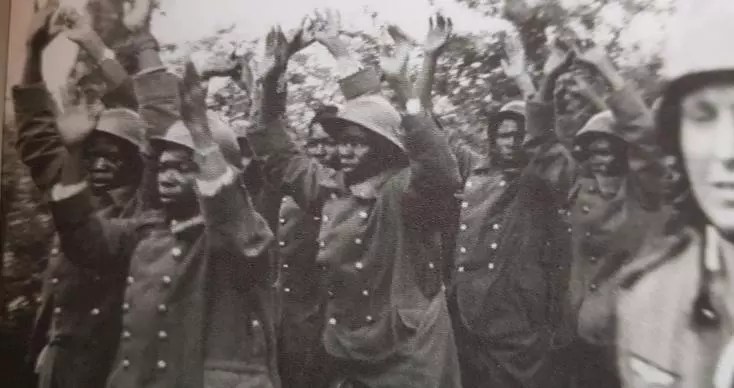
Realities of Military Service: Part III Disparities in the treatment of African Prisoners of War German forces subjected African colonial soldiers, primarily from French West Africa (Senegal, Mali, Burkina Faso, and Niger), to especially brutal treatment during their captivity in World War II. These soldiers fought for the French colonial army in units such as the 24th Regiment of the Senegalese tirailleurs and were captured during the 1940 Battle of France. Near Cavillon, German soldiers executed wounded African troops on the battlefield. As Édouard Kouka Ouédraogo, a soldier from Burkina Faso, recounts, “The wounded are finished off on the field.”…
-
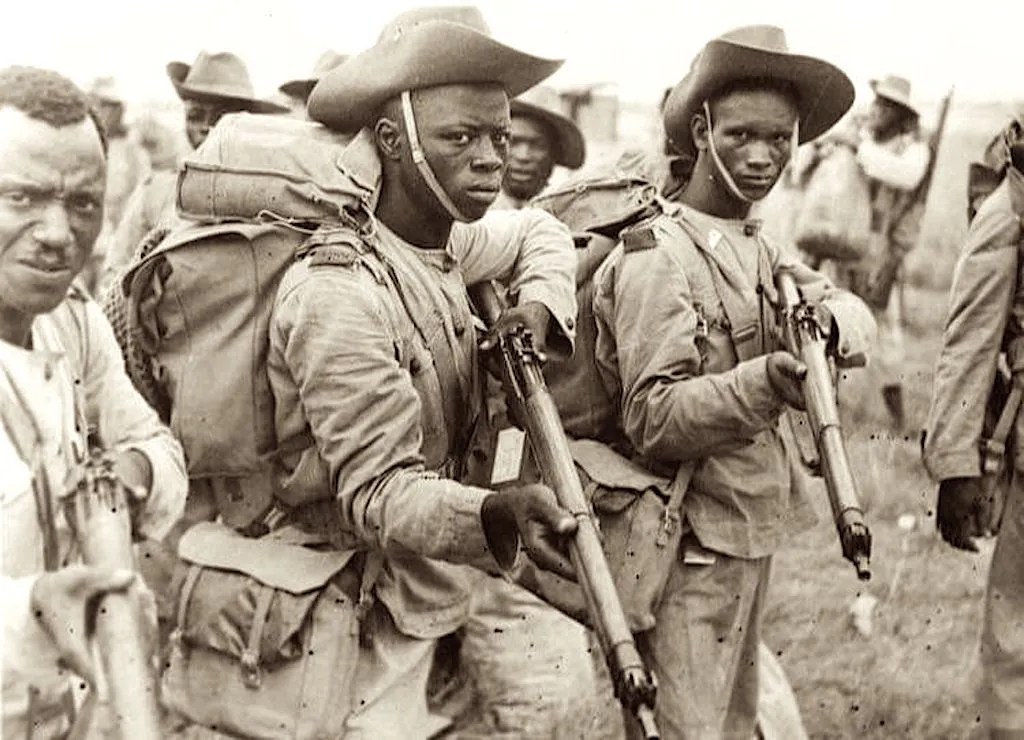
Tirailleurs Image Source: https://mairie20.paris.fr/pages/1939-1945-memoires-des-tirailleurs-senegalais-30457 The Realities Of Military Service Part II : Battlefront Involvement and Impact These experiences reveal the disproportionate sacrifices African soldiers made in securing Allied victories. Despite being conscripted under harsh and often discriminatory conditions, their involvement was crucial to the Allied war effort, and their contributions, though frequently overshadowed by narratives centered on European soldiers, were vital in shaping the outcome of one of the most significant conflicts in history. French colonial soldiers, often referred to as tirailleurs, were a critical component of French military forces during World War II. Recruited from mostly West Africa, these…
-
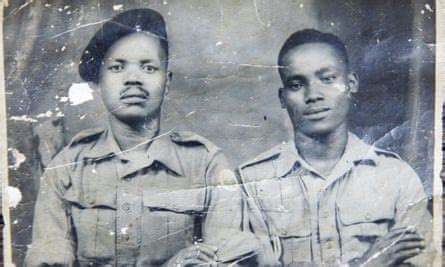
During World War II, African colonial soldiers faced severe discrimination and abuse, highlighting systemic racism within British military ranks. Despite their critical contributions and sacrifices, veterans like Eusebio Mbiuki and Joseph Hinga recalled brutal treatment, lower pay, and the disregard for their dignity. Their experiences underscore the injustices endured by these soldiers.
-
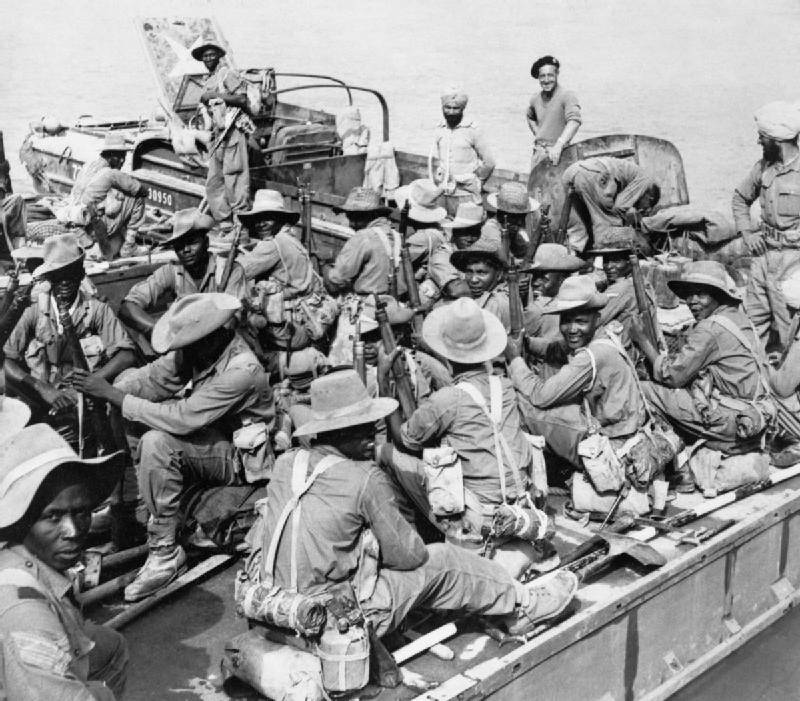
Revisiting the topic of recruitment from a previous post, as the factors behind African colonial soldiers’ enlistment remain a subject of debate. While some historians emphasize the economic benefits of military service, others highlight coercion, arguing that colonial authorities manipulated economic instability and governance systems to maintain recruitment levels. These perspectives are not mutually exclusive but instead reveal how coercion and opportunity were deeply intertwined. Recruitment In the years leading up to World War II, European colonial powers had already drained significant resources from their African colonies. But as war loomed, they needed more than resources—they needed soldiers. The weakened…
-
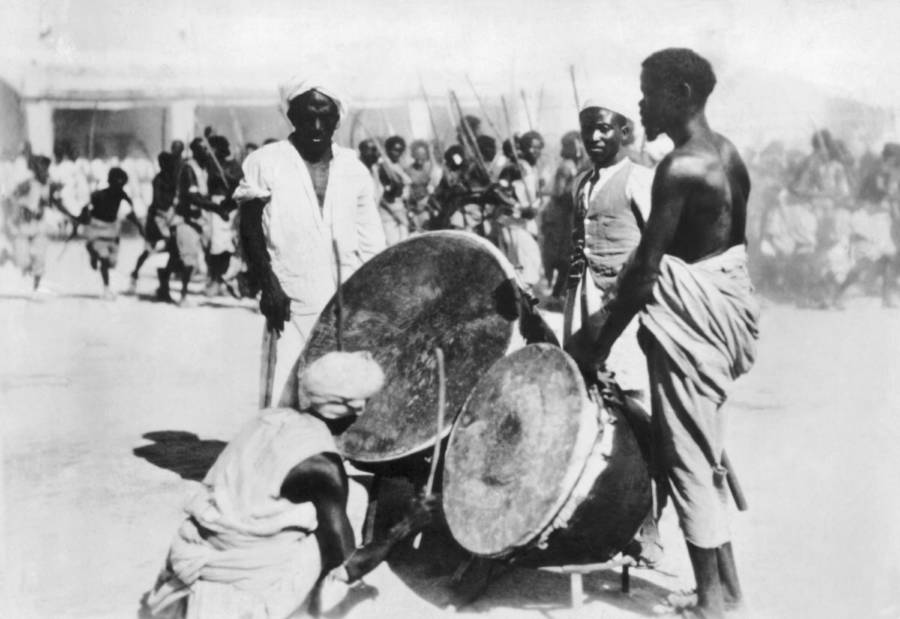
This post is retrospective, with a birds eye view at what was happening Post WWI and Pre WWII as it related to the colonial soldiers. European powers, including England, Italy, and France, began reorganizing and expanding their colonial armies during this period. These forces typically comprised African soldiers under the command of European officers. The colonial administrations intensified their recruitment and training efforts, often utilizing these soldiers for internal security and to assert colonial dominance. From 1930 onwards, soldiers from all parts of British colonial Africa and South Africa (who were more independent than other African nations) were employed in…
-
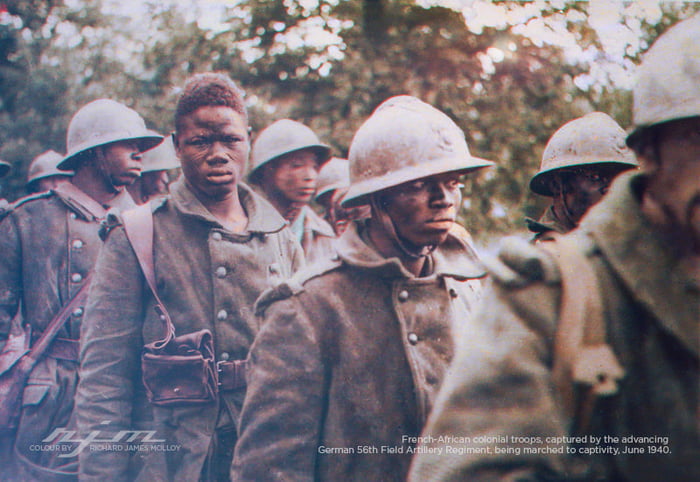
Here, I am zeroing in on a “smaller” topic regarding African Colonial Soldiers in World War II. This post is about recruitment. Impact of WWII’s outbreak on African Civilians and Recruitment Not only did the outbreak of WWII affect lives in Europe and Asia, but it also brought confusion and fear to African civilians, highlighting their crucial yet often-overlooked role in supporting Allied forces through extensive mobilization and significant sacrifices. September 1939 marked a pivotal moment in global history, significantly affecting every corner of the world. Despite a lack of knowledge of the true cause of the war, the colonial…
-
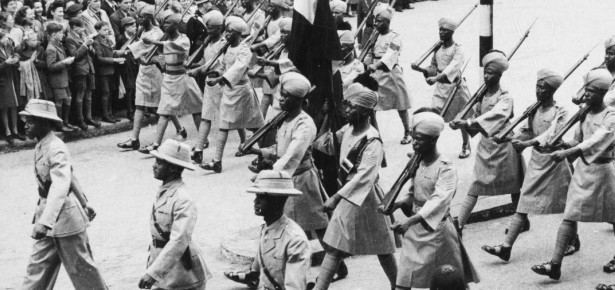
After the war, it is unclear what African veterans did, and many still ask the question: did their service in the war end have any benefits for them? A lot has been written about how WW2 was the beginning of the end of the colonization of Africa. Two new superpowers emerged after WW2. They were the USSR and the USA, while the main colonial powers in Africa, Britain and France, had declined in political and economic power. Within 20 years of the end of WW2 (1951-1965), almost 40 African countries gained their independence. This is a large majority of African…
-
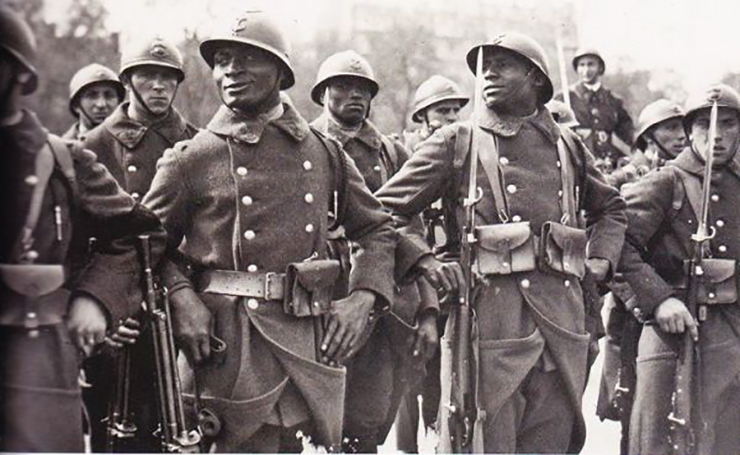
THE PLIGHT OF COLONIAL SOLDIERS IN WWII: Imagine risking your life in a war not defending your homeland, but fighting for a foreign country, crawling through dense jungle, bombs and grenades exploding all around you, seeing those closest to you killed right in front of your eyes. Now imagine that this foreign country isn’t just any other country, but one that actually colonized your homeland. This is exactly what colonial soldiers had to go through in World War II, and what’s even worse, is that due to their skin color, they were not respected and were paid much less than…
-
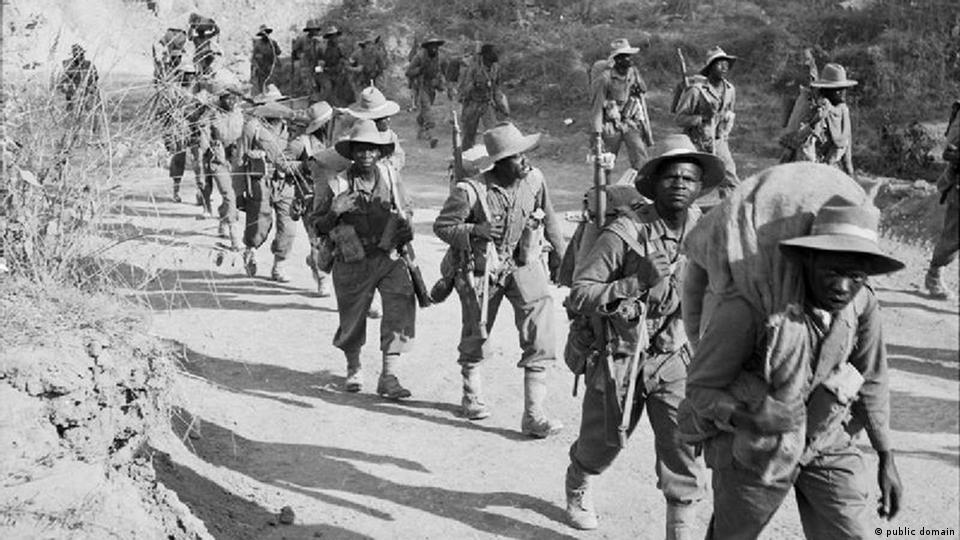
The Major Players and Unsung Heroes of WWII World War II was the deadliest war in human history. The war was fought between the Allies, including the key powers France, The United States, The Soviet Union, and the United Kingdom, and the Axis, composed of Japan, Germany and Italy. The Allies ultimately prevailed in what is now a familiar story. However, what is far less widely known is that their victory came thanks in part to a large group of unsung heroes: colonized soldiers. Both France and the United Kingdom drew thousands of soldiers from their African colonies, young men…
-
Subscribe
Subscribed
Already have a WordPress.com account? Log in now.
 WORLD WAR II'S UNSUNG AFRICAN HEROES